Play

[31] House in the Central Part

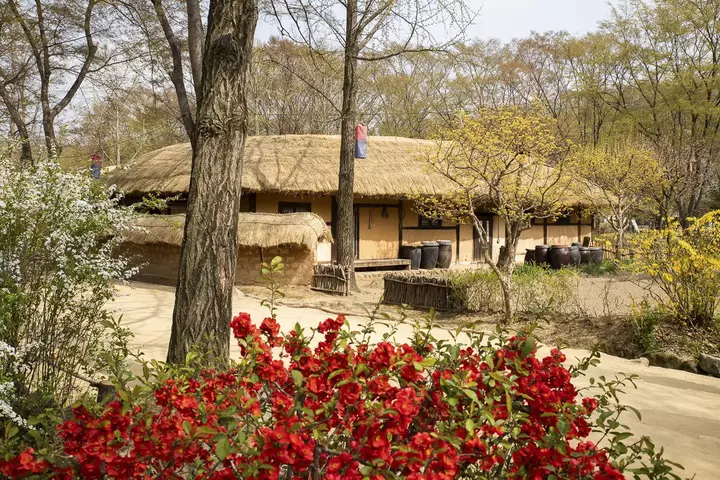
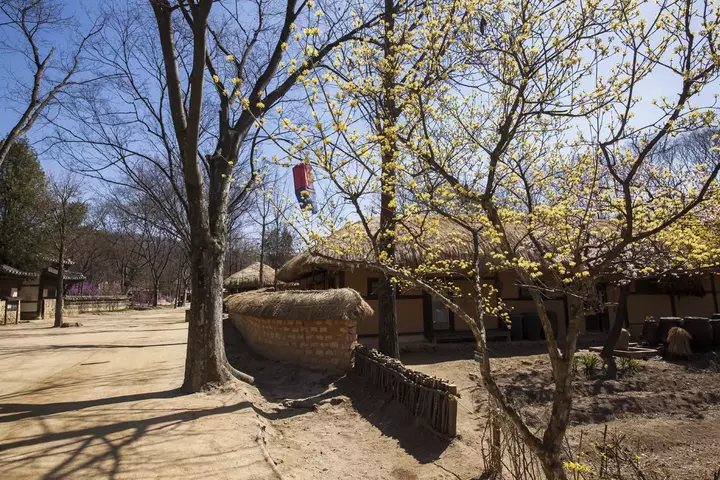
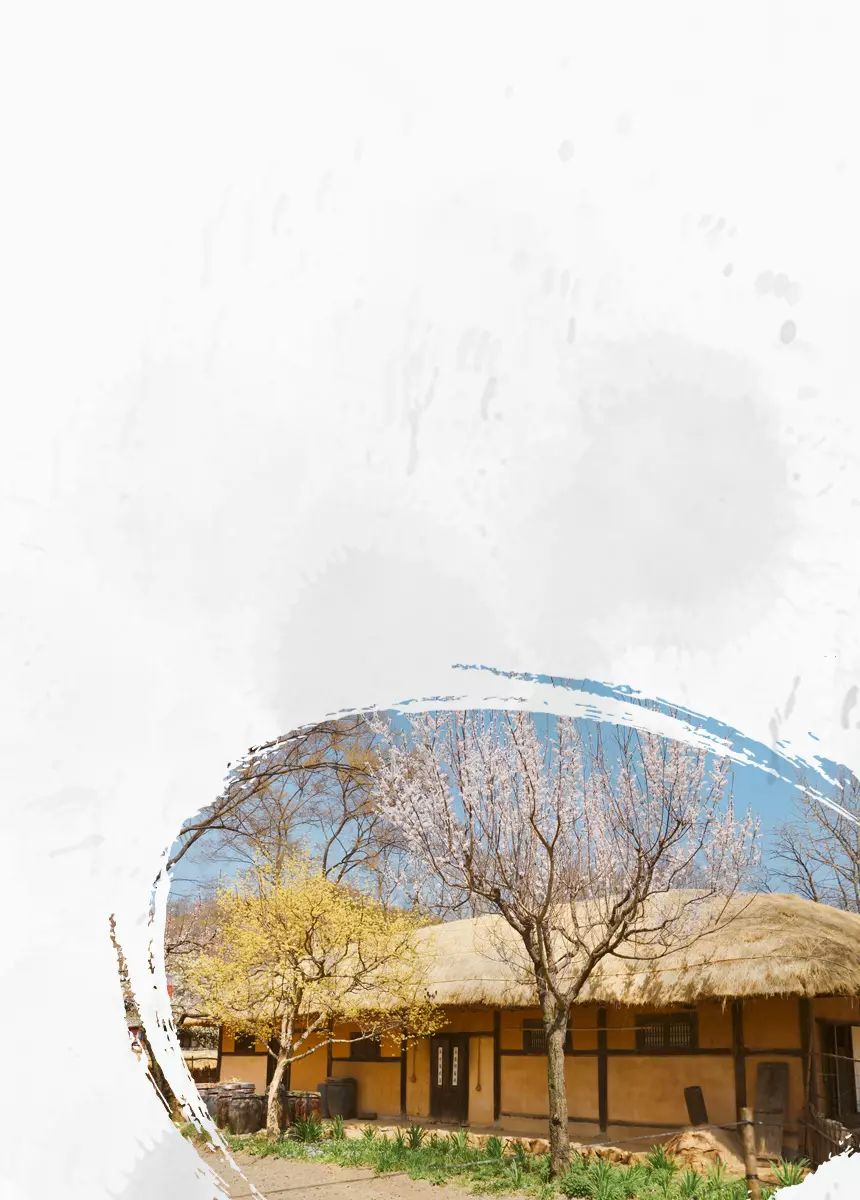
This house is a restoration of a traditional home that was located in Ssangdae-ri, Sinpung-myeon, Gongju-gun, South Chungcheong Province. It is a typical house of the central region, built in a rectangular shape with a ㅁ- style layout, featuring an andaecheong (main living area), sarangmaru (guest hall), and totemaru (porch) all well-arranged.


The entrance area (daemungan) has a partition wall, creating a structure that separates the inner and outer spaces, reflecting the traditional notion of inside and outside. A maru is a space created by laying wooden planks flat to allow people to sit or walk. Records show that marus were used even before the Three Kingdoms period. Originally, marus were mainly found in storerooms but gradually came to be installed in residential houses. Depending on its use, the term for maru can vary. For example, the well-known daecheongmaru (large hall maru) was originally referred to as a “daecheong” and applies to relatively large spaces between the anbang (main room), the gananbang (side room), or the sarang (guest room), typically found in upper-class homes. A marubang refers to a room with a maru structure. Toetemaru, a space connecting rooms or the daechong, has support pillars (toetgi), while jjokmaru, a simpler space connecting the yard to a room, lacks these support pillars.