Play


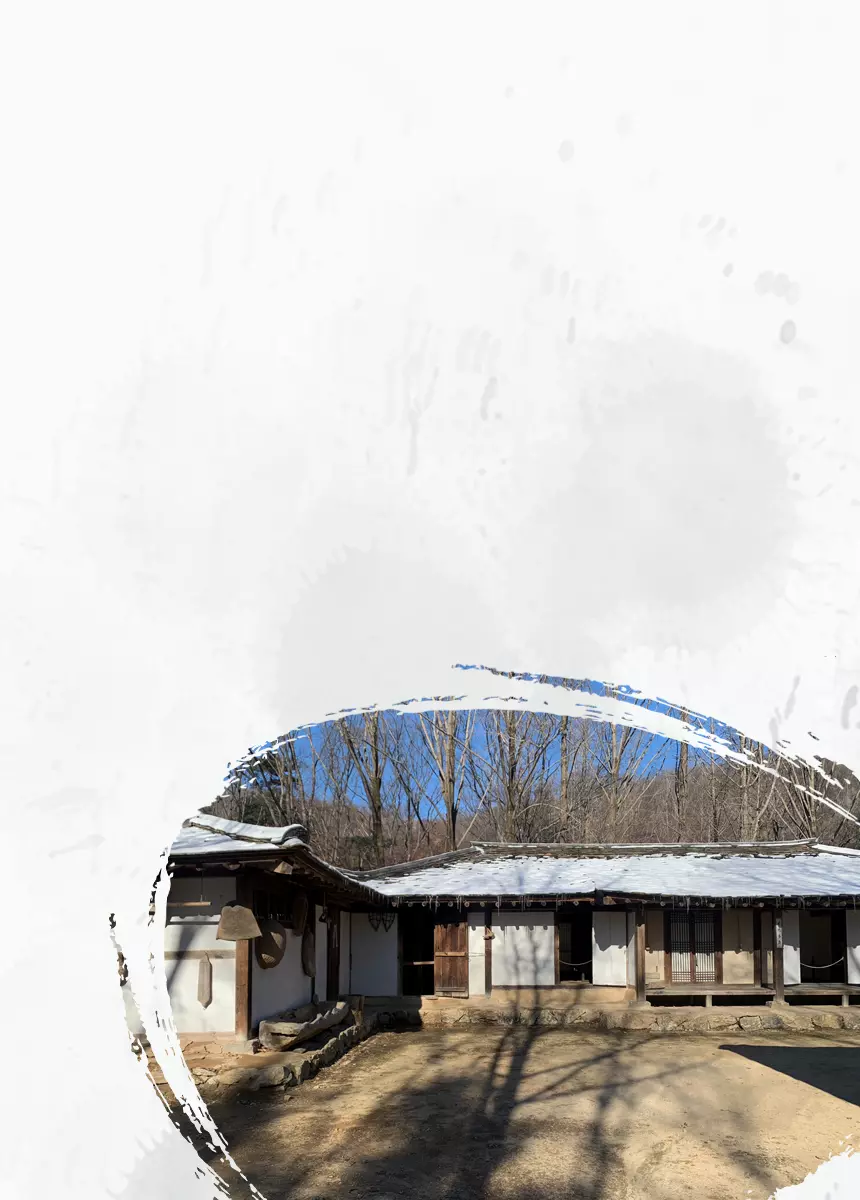
[56] House in the northern part

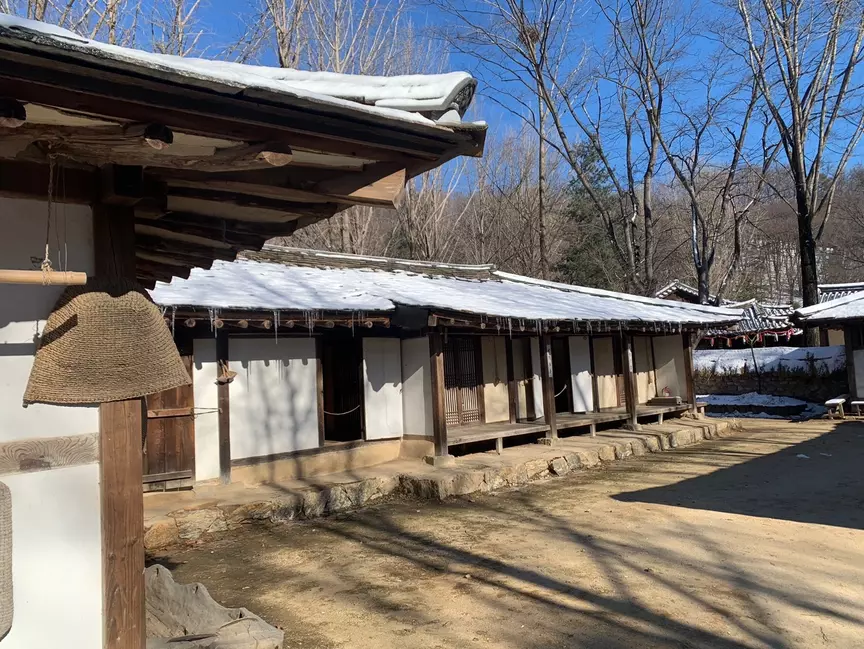
This house is a restored traditional home that originally stood in Bukcheong-up, Bukcheong County, South Hamgyong Province. To adapt to the cold northern climate, the house features a unique open space called Jeongjugan—a large, wall-less room with a spacious floor connected to the kitchen—allowing indoor work even during harsh winters.


One kitchen connects directly to five rooms, which is a distinctive layout in northern Korea. The kitchen and cattle barn are connected in an L-shaped (ㄱ) layout, making it easier to care for livestock during the cold season. Behind the kitchen is a storage room, and on the eastern side of the main building is another shed used to store farming tools. The northern regions of Korea developed the ondol, Korea’s unique underfloor heating system. This system channels heat from a fire underneath flat, fire-resistant stones called gudeul. Near the firebox, the stones are thick and the channels wide; closer to the chimney, they are thinner and narrower—allowing even distribution of heat across the room using a scientific principle.
The heated floor is finished by spreading earth over the stones and then applying floor paper. In the northern areas, mats or straw mats were also used. You can observe a detailed cross-section of the ondol structure at the Folk Museum. The large open area between the kitchen and main room is called Jeongjugan. Unique to the Hamgyeong-do region, this space is the warmest part of the house. In winter, it served as a central living area for dining, receiving guests, and even sleeping together as a family.